
How does the student experience connect to economics course content?
Students encounter economics daily through grocery prices, job wages, streaming subscriptions, and financial decisions. Effective courses bridge these lived experiences to foundational concepts like supply, demand, and market equilibrium. The key is helping students recognize they're already living economics—and giving them the tools to analyze it.
Why Do Students Struggle to Connect Economics to Real Life?
Students consume economic news constantly—headlines about inflation, tariffs, and grocery costs—yet fail to connect these stories to the models in their textbooks. The challenge isn't generating interest; it's building explicit bridges between real-world events and economic principles.
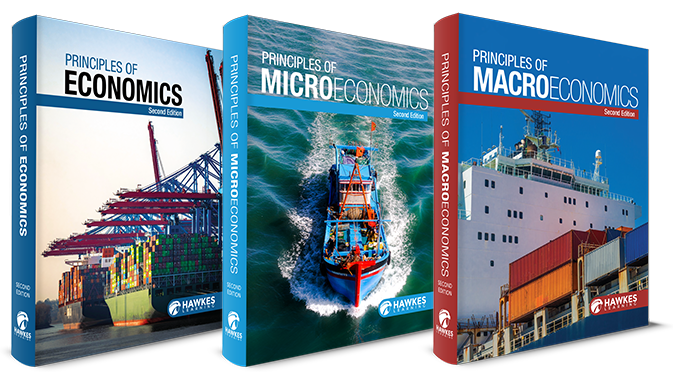
The updated Principles of Economics, Microeconomics, and Macroeconomics, 2nd Editions, solve this problem by connecting the news students consume to the economic principles you teach.
Student experiences map directly to economics concepts:
- Grocery shopping price elasticity and inflation
- Part-time job wages labor markets
- Student loans interest rates and opportunity cost
- Streaming subscriptions marginal utility
- Gas prices supply shocks
- Rent costs housing market equilibrium
- Buying concert tickets secondary markets and price discrimination
How Does Mastery Learning Strengthen Economics Foundations?
Mastery learning requires students to demonstrate competency on foundational concepts before advancing to dependent topics, reducing compounding misunderstandings.
Hawkes Learning's 3-step mastery-based approach uses this structured learning path and scaffolded practice to close the quantitative skills gap and help students develop the ability to analyze price changes using supply-demand models.
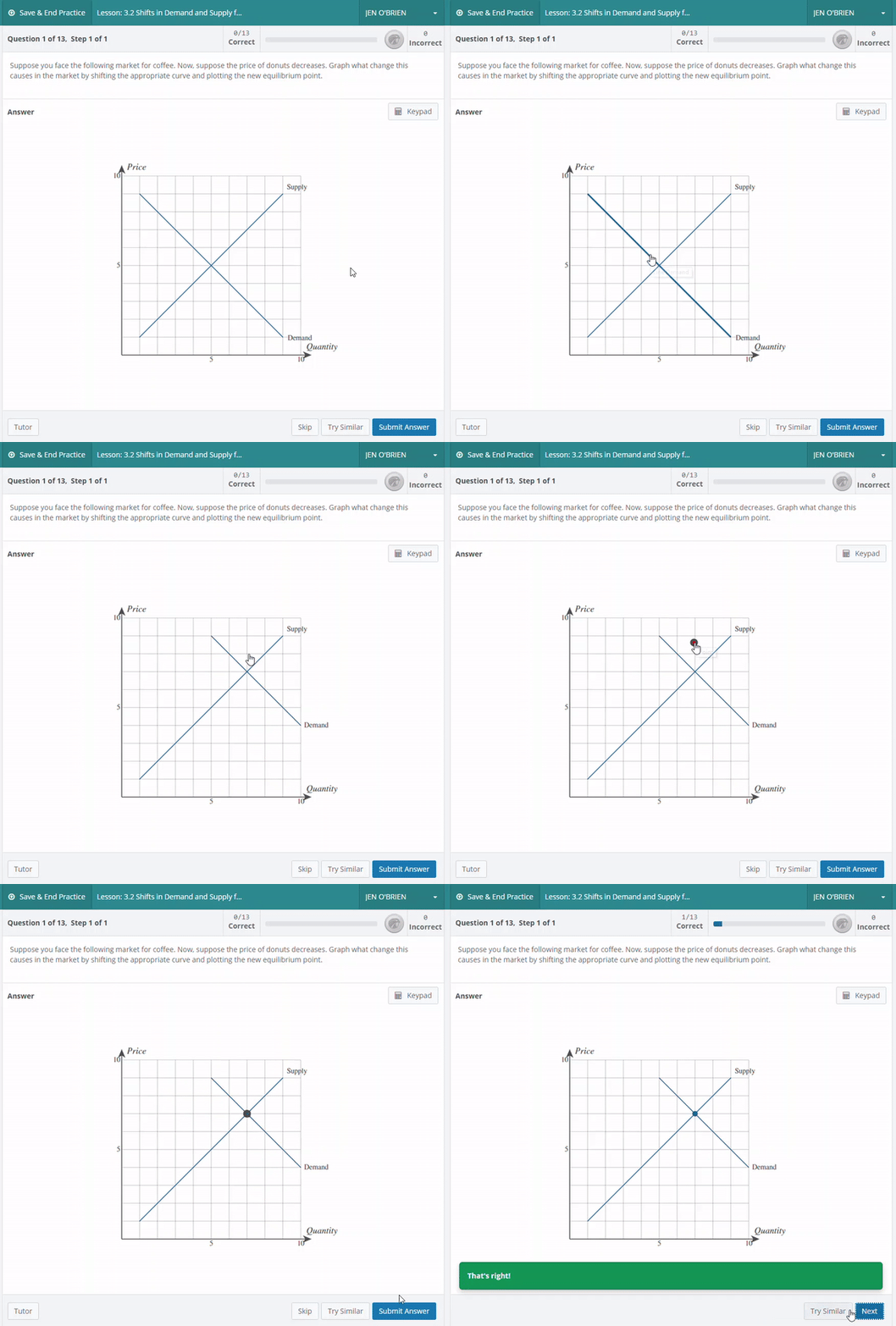
Students don't struggle with inflation because inflation is difficult; they struggle because they never fully mastered supply, demand, incentives, and market equilibrium.
Mastery learning strengthens those foundational concepts, making every topic that follows more accessible. For example, students examining how inflation affects wages can apply their understanding of supply, demand, and market equilibrium to analyze why wages may rise over time yet still fail to keep pace with rising prices.
What Role Does Immediate Feedback Play?
Immediate feedback corrects misconceptions before they become habits. Economics is cumulative. If a student misunderstands supply and demand in week two, they'll likely struggle with market equilibrium, price controls, and international trade later in the semester. Timely feedback helps you as an instructor catch those misunderstandings early, when they're easiest to address.
When your students receive foundational feedback during independent practice, you can spend more class time analyzing current events, debating policy, and applying economic frameworks to interpret current policy debates, rather than reviewing basic misconceptions.
How Do Real-World Examples Enhance Engagement?
We all encounter economics every day, from changing prices at the grocery store to decisions about careers, housing, and technology. The challenge is helping students recognize those connections. Relevant examples and real-world applications transform abstract concepts into meaningful learning experiences that help students apply economic frameworks to everyday decisions.
 The intuitive platform helps students focus on learning rather than navigating technology, with AI Tutor’s 24/7 support keeping students engaged and empowered to take control of their progress.
Flexible Tools for Your Teaching Approach
Teach economics your way with flexible tools and customizable learning experiences that allow you to meet students where they are while maintaining the consistency and support needed to help every learner progress and succeed.
Curriculum Comparison
|
Hawkes Learning Title |
Focus |
Key Differentiators |
These titles help instructors connect student experiences to economics content through mastery learning, real-world examples, and immediate feedback. The result is students who can analyze economic events they encounter daily using the foundational models they've truly mastered.
Recent posts